Striking vs Grappling in Modern MMA: Tactical Breakdown of Fighting Styles
Modern mixed martial arts has evolved into a highly structured combat sport where striking specialists and grappling experts constantly test each other’s limits. Every bout is shaped by the balance between distance control, takedown attempts, clinch exchanges and ground control. Understanding how these contrasting approaches interact helps explain why certain fighters dominate while others struggle to impose their game plan inside the cage.
Striking Dynamics and Distance Control in MMA
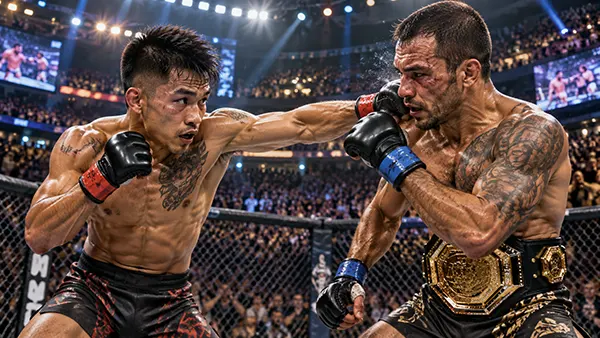
Strikers rely heavily on timing, precision and spatial awareness. Their primary objective is to maintain distance, using footwork and angles to avoid takedown entries while landing effective combinations. Techniques such as jabs, low kicks and counter punches are used to disrupt rhythm and force opponents into defensive reactions rather than offensive setups.
Modern striking in MMA is no longer limited to traditional boxing or kickboxing. Fighters blend multiple disciplines, incorporating feints, level changes and cage awareness to control exchanges. The ability to read opponents and react in milliseconds often determines whether a striker can keep the fight standing or gets drawn into grappling territory.
Another critical aspect is defensive responsibility. High-level strikers train extensively to defend against clinch entries and explosive shots. Sprawling, underhooks and lateral movement are essential tools that prevent grapplers from closing distance effectively. Without strong defensive mechanics, even elite strikers can be neutralised quickly.
Footwork and Tactical Movement in Stand-Up Fighting
Footwork is one of the defining factors separating elite strikers from average competitors. Constant lateral movement prevents opponents from setting up clean takedowns or predictable striking patterns. Fighters who control angles often dictate the pace of the entire round.
Effective movement also creates offensive openings. By circling away from an opponent’s power side, strikers can generate counter opportunities while reducing risk. This approach forces grapplers to reset their entries repeatedly.
At elite level, footwork is not just defensive but strategic. It allows fighters to manage energy expenditure and control cage positioning, especially when defending against pressure-heavy wrestlers.
Grappling Control and Ground Fighting Strategy
Grapplers bring a fundamentally different approach focused on control, pressure and positional dominance. Their objective is to close distance, secure clinches or takedowns and transition into dominant ground positions. Once on the ground, control becomes more important than immediate submission attempts.
Wrestling-based fighters often use chain takedowns, combining multiple attempts in sequence to break down defensive reactions. Even if the first entry fails, continued pressure forces strikers into reactive patterns, increasing the likelihood of eventual success.
On the ground, control positions such as side control, mount or back control allow grapplers to neutralise striking threats while opening pathways for submissions or ground-and-pound damage. Positional hierarchy is central to effective grappling strategy.
Clinch Work and Takedown Transitions
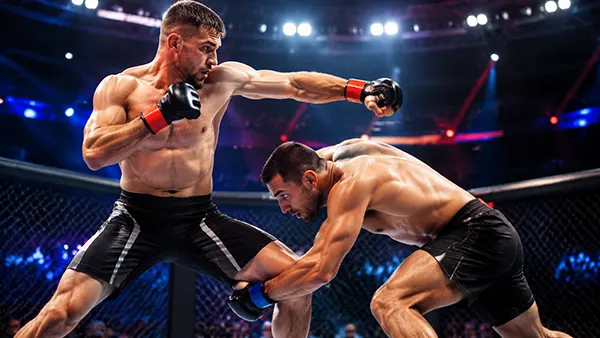
The clinch is where striking and grappling intersect most directly. Fighters use body locks, underhooks and cage pressure to limit movement and set up takedowns. Against the fence, grapplers gain additional leverage, making it harder for strikers to escape.
Takedown setups vary from explosive double-leg shots to subtle trips and sweeps. High-level grapplers mix these approaches depending on opponent reactions. Timing is often more important than raw strength in successful entries.
Transition efficiency defines elite grapplers. The ability to move smoothly from clinch to ground control without losing positional advantage is what separates top contenders from mid-level fighters.
Style Matchups and Strategic Adaptation in Modern MMA
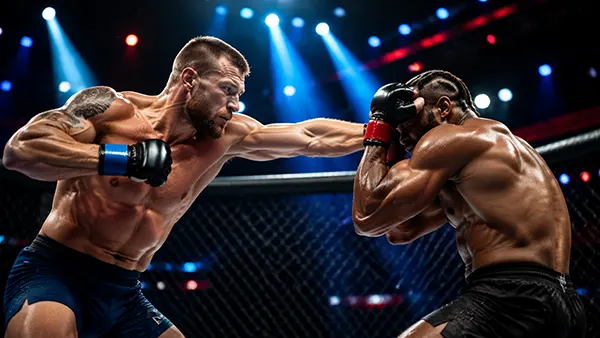
Modern MMA is no longer a pure clash of styles but a dynamic system of adaptation. Strikers who develop strong takedown defence and grapplers who improve striking competence create well-rounded fighters capable of adjusting mid-fight. This evolution has significantly reduced the dominance of one-dimensional athletes.
Game planning plays a crucial role in determining outcomes. Coaches study opponent tendencies to identify whether a fighter is more vulnerable in striking exchanges or grappling scrambles. Exploiting these weaknesses often defines the direction of the bout from the opening round.
Cardio and pacing also influence style effectiveness. Grapplers may apply constant pressure early, while strikers often aim to maintain range and conserve energy for later rounds. The ability to manage tempo can shift momentum dramatically.
Fight IQ and In-Fight Adjustments
Fight intelligence has become one of the most valuable assets in MMA. Fighters must recognise patterns quickly and adjust strategies in real time. Continuing a failing approach often leads to predictable defeat.
Adjustments may include switching stance, changing entry timing or altering defensive posture against takedowns. These micro-decisions accumulate over the fight and determine overall success.
Elite competitors demonstrate adaptability under pressure, shifting between striking and grappling defence seamlessly depending on evolving circumstances inside the cage.